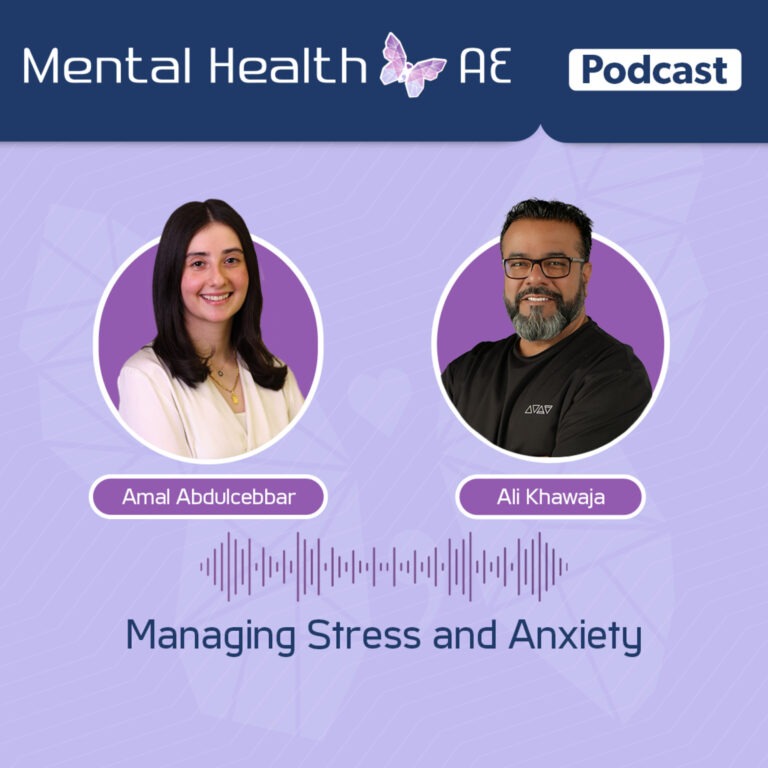
0:00 – Ali Khawaja
Foreign. Guys, we are back. I keep forgetting a whole bunch of things. I’m really bad at this. My team at one day is going to kick me out 100 for sure. I’m supposed to be wearing a hat because like Ali, you need to wear your hat. Your hat is kind of like your signature. I’m like, when did that happen? So I guess that’s not happening. We are yet back again. I was about to say episode number. I don’t know what episode number. So I’ll do what my teacher used to do in school. Episode number next. That’s where we are. And I have been doing really good this season, guys. You’ll be so proud of me. I haven’t slacked off. We are still on schedule. Fingers crossed. And today in my little super tiny podcast studio, I have a wonderful guest. She is an amazing person. I know this because her mom told me and her mom also told me she’s a talker, which is also a good thing for us because that’s what we’re looking for. We’re looking for talkers because the more you talk, the more people listen, the more we get to learn. I’m going to ask her to introduce herself. Ma’. Am. Okay.
1:12 – Amal Abdulcebbar
Hi everyone. I love that introduction. I’m also happy to be on episode number next. But yeah, I’m. Hi everyone. I’m Emil Abdel Jabbar. I’m a CDA licensed psychologist and I work at Mir Psychiatry Clinic in Dubai. I mainly see adults dealing with common mental health issues but also everyday life challenges and also open to anyone that’s also there for self improvement.
1:45 – Ali Khawaja
Wonderful, wonderful. Give me a little background. So where, where, where’d you grow up? You know? And then a little bit about what, what got you into this field?
1:54 – Amal Abdulcebbar
Sure. So I’m Turkish Iraqi, but I was born and raised here in the uae. So my background is in clinical psychology and I’ve always had a passion for psychology. I’ve always found it so interesting and I think that more and more people are realizing how much psychology is everywhere you look, in every field, in everything, in TV shows and everyday life, in restaurants, in everyday interactions. So it’s just amazing to kind of see how it touches bases everywhere. I’m a very people oriented person. I love to connect and I think it really does show through the work that connection heals. So that’s why I’m in it. I really want to kind of make an impact however way I can. Whether that’s just having someone in front of someone else that’s sitting there with Them, you know, in that discomfort with them. Someone to kind of look into your eyes, make that eye contact really feel like someone’s there in front of you, that presence. Someone to talk to, someone to have to listen to you, and also to put in, you know, some real work as well together.
3:09 – Ali Khawaja
Well, that’s great. That’s wonderful. You know, just thinking back, you’re basically Dubai kid, right? You know, you spent your life here. My kids were born here. My daughter’s now 20, my son’s 18. And this is what they’ve known as home. And it’s a massive, massive multicultural pot that keeps stirring. It doesn’t stop. And, you know, it has a massive amount of advantages. And obviously it has some disadvantages, too. Like, any place would, you know, talk to me a little bit about, you know, just. I’m trying to get, like, a snapshot view. Like, what type of clients do you see? Are you particular age segments, any specific brackets I want to kind of see? Are there any trends that we’re seeing? Is there any. What we call pockets or clusters of things that are going on just to kind of get a reflective view from you?
3:59 – Amal Abdulcebbar
Yeah, thanks for that question. I mean. Yeah, it’s actually interesting. I think before I actually delve into the people that I do see in my clientele, I think if I were to also talk about myself and the challenges that I’ve also faced personally, kind of, you know, growing up here, there’s a lot of kind of, you know, cultural identity issues that I feel like individuals face. You know, like you said, it’s a melting pot of different cultures, and there are a lot of people that have been born and raised outside of their countries, so they kind of feel like they’re nor there, nor here. And it’s kind of that constant, you know, pressure of figuring out, you know, who am I? Where do I belong? Am I this, am I that? I’m not enough of this. I’m not enough of that. But I think from my personal experience, I’ve learned that, you know, you don’t have to fit yourself into a certain category or box. You can be many things at once. And I think that’s the beauty of human nature. You can evolve with time, and you can be many things all at once. So I think that’s kind of the beauty. But it still has struggles, of course, because I think, you know, part of human nature is to kind of always answer this question, you know, who am I? But I think the. The beauty of life is in the journey rather than the actual answer itself. And what you find along the way. But to go back to your question of the clientele, I mean, like I said, I’ve mainly worked with adults, so young adults, 18 plus. The maximum I’ve seen maybe till now is, you know, late 30s, 40s. And I think that again, you know, like we even spoke about, you know, mental health issues don’t discriminate. And I think that we can see always the common mental health issues across the lifespan of, you know, anxiety and depression. And I think that those are very kind of normal things in everyday life. You know, they’re very normal emotions of feeling low and feeling anxious. But when it comes to us and where we’re really needed is when we kind of see it something being very chronic, something being severe that is outside of the person’s ability to kind of manage or cope with and something that’s really impacting their day to day life in a kind of significant way where they’re not really able to enjoy everyday life and go on with everyday activities. So I think it’s very common across the lifespan, but can manifest in different ways. I think in young adulthood usually the kind of problems we see are usually, you know, socially oriented or maybe academically oriented. So struggling may, maybe with, you know, attention focus, productivity, maybe having those kind of perfectionist tendencies, you know, the everyday social anxieties, you know, the, the wanting to belong and the fear of rejection and you know, as we move across the lifespan and moves a little bit more into kind of maybe, you know, work related difficulties, you know, burnout, kind of not being able to have that work life balance, family related pressures, you know, in today’s world, you know, I was even speaking about this with my family. You know, in today’s world, building a family is almost a luxury now. You know, it’s, it’s really, really actually difficult and it really takes a lot of responsibility and sacrifice to do that. So yes, this is kind of what I’ve seen.
7:17 – Ali Khawaja
Interesting. You mentioned a lot of stuff there that’s very, very, you know, I think very apt, you know, snapshot of what’s going on with everybody around us. So, you know, a lot of my listeners know I teach at a university, so I’m kind of like in the, you know, very, very bad version of Fountain of Youth where I’m the only one who gets old and I’m constantly surrounded by people 18 to 22. But what I have seen with that particular slice, you know, year on year, going back, you know, 25 plus years now, is that there’s been a Shift. There’s been a shift in some things and there’s been no shift in others. For example, again, this is just my observation and I think this would be, it would be great because you’re here that I can reflect this off of and see your, your side of the fence. Also, I’m seeing that the, the stigma surrounding mental health and wellness has started to reduce, but very, very slowly, very slowly. And for some, some families, none. So that’s one thing I’m seeing. I’m hopeful. I was hoping for a lot bigger jumps in, you know, numbers, but I’m seeing that slowly happen. But the other side, where there are big numbers, where there shouldn’t be, is this level of anxiety and stress that’s coming from so many different sources. Social belonging, social acceptance, peer pressure, this constant highlight reel that everyone posts on their Instas and the tiktoks and whatever other social channels that you’re finding yourself self measuring against unrealistic external expectations. And every time I have a conversation, whether it’s with my kids or my friends or my friend’s kids or even some of my students who graduated, when they come back, I keep telling them, why are you measuring your life by somebody else’s measuring stick? Like, what do you mean? I’m like, you’re only responsible to yourself. And in that, the first thing you need to think about is what success means to you. So, you know, knowing yourself, that’s a huge thing. You know, Socrates and all these guys before know thyself and know the world type of stuff. That’s literally my opening slide when I teach my career management class. What do you mean, sir? I’m like, you’re running somebody else’s agenda. When you pause for a minute and understand that you have to make your life’s plan yourself, all of a sudden who you are becomes very important because who you are determines what you want to do, what impact you want to make, how you want to leave the planet when you’re gone. So it’s, it’s, it’s big. You know, this will actually be a nice little spin out podcast, the episode we can have, but with, but within that expectation. So either they’re kind of following everybody with the herd, or all of a sudden they feel super isolated and lost because they don’t know what’s going on. It seems to be a stress and stress type of option for a lot of these people. Have you noticed anything in that aspect as well as have you noticed anything in people who are, let’s say, in their early 20s versus older, are you seeing any differences or clustering?
10:33 – Amal Abdulcebbar
Yeah, I mean, I totally agree with you. When it comes to the stigma, most definitely it’s getting better. But like you said, very, very slowly, especially in this region, I think it’s something to look at positively that there is still that small movement. No matter how small, there is still that movement. So anything will take as a plus. But I think there’s still a lot of ways to go, a lot of things to kind of relearn, because there are still those kind of misconceptions when it comes to mental health and mental health support. And I think new generation, though, are slowly realizing these things and are being a little bit more vocal and spoken about these things and really taking charge of their life. Whereas maybe the older generation are kind of still, you know, stuck in those kind of patterns that maybe been passed down from their families and the times as well that they’ve grown up in. When it comes to kind of those expectations, you know, when it comes to social media, I think like everything in life, it has its pros and cons, and I think it really depends on how you relate to it and how you use it. So in my bachelor’s, I did research on social media and social media use and we saw that active social media use versus passive use had more kind of positive mental health outcomes where when you use social media to actually connect with people, which is what it was supposed to be designed for, you actually connect with people, you talk with people, use it to kind of, you know, know what’s happening in their lives, meet with them, then it can have a lot of positive outcomes. But when you kind of, you know, doom, scroll passively like things and consume things, then it can kind of have negative outcomes over time when that’s the only way you relate to it. And I think in today’s world, you know, regardless of age, I think that the difficulty that we’re having is that we are being bombarded with so many ways of living so many versions of life, so many ways of being that people are so overwhelmed and people are kind of also buying into what is being sold on social media of this is the way life should be lived. This is the definition of success, this is the definition of happiness. But a lot of the times you’ll find people still so unsatisfied with their life, even if they reach that, because at the end of the day, people haven’t really sat to reflect on what they truly value in life and want in life. They’ve only kind of. They’re acting in line with what they’ve been told is the way life should be lived. And this is what happiness and success looks like. But we actually have to reflect and see what suits me, you know, what is going to help me, benefit me, what values matter to me in life, and acting more accordance into that.
13:34 – Ali Khawaja
It’s interesting you say that. This is, you know, for a lot of people, it’s easy to say and very, very difficult to do, I think in a large part simply because they’ve never been given the freedom to think like this. And that’s by design and, you know, the world we’re in. You go to school, your objective is to get to the next grade, next grade, next grade, you get to high school, your objective is to get grades good enough to get to a good college, you get to college, do good enough to get a good job, and then keep doing good at a job. So you get promotion, and then eventually you’re dead. And then in the middle of all of that, when did you remember to live? So, you know, taking people on that journey of pausing for a moment and then reflecting on what they truly want in life puts them in a, you know, kind of new place, and it gets very uneasy for them. So I definitely see a lot of that. But I agree with you that the current generation is definitely better in the sense of getting help and asking the right questions and kind of reaching out. I’m not sure if that’s just a mindset thing that they have, or is it because they have access to technology and they’re very tech savvy? You mean on your phone you install an app, one of a dozen globally famous apps that gets you help? You know, there’s so many platforms, I name some, but you got to sponsor a brother, you know what I mean? So that’s easily, so much more easily accessible. And they’re okay with that? They’re okay with buying stuff on Amazon, they’re okay with, like, using the digital platforms. While I’m still seeing people, like, in their, you know, like, 40s onwards, they’re still hesitant. They’re not doing it. They’re just hesitant. But is that why? Do you think that there is still a discrepancy? Or is it more because the younger generation is more technically savvy, or is it just a shift in the mindset that, you know, I’m gonna go get the help and I don’t feel it as a stigma, irrespective of what my culture or society or my family may think.
15:43 – Amal Abdulcebbar
I mean, I definitely do think that agreeing with what you said, I think that the new generation are more, you know, in line kind of, you know, they’re more with the trends. And I think that they are kind of. I think there is actually, like you said, there’s a lot more accessibility and I think that it’s so easy now to kind of go anywhere and instantly get results, you know, so there’s, you know, like you said, app that you can install. You can basically kind of just, you know, message in or email in and you can kind of book an appointment. There’s a lot of kind of self help resources. There’s now AI. So that kind of makes it as well so easy to kind of get instant resources. So I think that definitely can play a role. And again, I think it is definitely a mindset shift, I think, you know, and a difference in the way that they are kind of being raised in this generation where they are really kind of looking for a new way of basically kind of living their lives that maybe are against the way that we have been kind of raised to kind of think and act. Where it’s, you know, talk within, for example, in certain cultures, you know, Middle Eastern cultures, where it’s like, no, resolve this within the family, lean on kind of your family or friends for support. You know, we don’t need kind of maybe a stranger to kind of be involved or to help you out or maybe some kind of religious beliefs of, you know, this is kind of like, like a devil’s work, you know, when you have mental health issues. So it’s just something you need to kind of pray about or kind of, you know, things like that. And I personally believe that obviously those kind of ways as well can be so beneficial as well. You know, praying and religion I think does wonders, but I don’t think that it does wonders in the sense of instilling hope and giving you that hope to kind of continue. But I think that it doesn’t necessarily replace or should not be kind of the main source of support. There still should be, you know, professional help that is involved in very serious cases. And I think that there’s still, there is still a need though, you know, with adults, you know, I do still see adults and I think that people, as much as technology has evolved, I think people still crave that in person connection. So, you know, that when we look at the difference, I think, you know, young adults are more okay with maybe having that online presence. But I think, you know, the older that you get, you want that kind of in person connection. You know, there’s A lot that can happen in that in person connection where, you know, you see another person, you read their body language, you have that eye contact, you have greater focus in that moment and presence in that moment than you can have online. So there’s a lot of magic that can happen with in person sessions. So.
18:44 – Ali Khawaja
Yeah, well, I agree with you. Even, you know, during COVID we got pushed into online teaching. The experience gets heavily diluted. You know, the learning experience face to face versus online is massively different. Same thing for my coaching practice. So I have a lot, I think I’m just trying to like, roughly number run the numbers in my head. Probably 90% plus of my coaching clients are online. That’s a factor of convenience. You know, they’re all very high performance executives, entrepreneurs, you know, CEO type guys and girls. They don’t have an hour to sit in traffic to come meet me and then sit for another hour and then another hour to drive back. They just lost two productivity hours. And I appreciate that. I understand exactly where they’re coming from. So with them, I do have online sessions. It works. But I will be the first one to say that the experience is not the same as in person. The ability to hold space for somebody in a physical environment definitely changes. You know, your body feels safer, you physically feel safer. When you sense that this environment is safe for me to be in. And then your body will start to relax, your shoulders will go down, you’ll lean back a little in your chair, you’ll unfold your arms, and again, a lot of that body language you can’t see on the camera. So even as a coach, it’s difficult to do coaching when it’s online. All I see is like a headshot and then, and then it’s just they’re staring at a screen and a message might pop up that they’ll quickly look at. But if they were sitting with me in person, they don’t dare touch their phone, you know, because they want to be like, bro, I’m focusing with you right here. It’s like, I’m focusing with you, but I’ll quickly glance here. So there’s a lot of nuances to why that. That model is not, let’s just say, as efficient. Sorry, as effective. But it definitely is more efficient when it comes to like, logistics and everything. Tell me more about the sort of things that you work with with your clients. You know, we were talking before we started recording. You had mentioned there’s a lot of stress and anxiety and these sort of things that, that, that you kind of you’re hearing being repeated across client basis. Talk to me more about this.
21:01 – Amal Abdulcebbar
Yeah, of course, sure. So, yeah, so what I work with and what I’ve seen so far is, you know, anxiety, depression symptoms, adjustment disorders. So when there’s kind of certain stressors or big life changes or negative life events are kind of beyond the person’s ability to cope with them. Usually when it comes to this though, the key is that the symptoms tend to resolve after some time once the stressors are removed or managed. So that’s a key thing of adjustment disorder and kind of just self improvement. You know, most of the case. You know, the key thing that most clients, when they come in, they just simply want to be better and they want to live happier, more fulfilling lives. And usually these, you know, anxieties and depressions, they will kind of manifest, you know, because of certain life circumstances, a lot of different stressors, whether that’s family, work, social. Of course, again we can’t neglect obviously there’s, you know, there’s biological, physiological also, you know, causes that can come into play, which is why a kind of holistic treatment is important when it comes to considering, you know, medicine and psychiatry as well as behavioral and psychological help and kind of everyday routine, you know, lifestyle changes to kind of improve someone’s life. But yeah, when it comes to stress, you know, touching upon that, you know, we see as well, you know, some research that I’ve done in my masters is, you know, an interesting kind of theory here, stress generation hypothesis, which is where it kind of is a hypothesis towards the onset and maintenance of depression. And what we generally know is that kind of life stressors, negative life events tend to kind of make you at higher risk for developing anxiety and depression. And usually these negative life events are those that are independent of the individual, so they’re out of the control of the person. They kind of happen to the person. Whereas this theory is actually proposing that there’s also dependent negative life events that are dependent on the person’s care characteristics and behaviors and ways of thinking. So life events also can be to some extent caused by the way we relate to people and show up in our everyday lives. And this can kind of give us also a look into the onset of these common mental health issues and the maintenance of them. Because we enter this kind of vicious cycle of, you know, stressful life event, you know, depressive anxiety symptoms, more stressful life events, and then ongoing symptom worsening. So we can here kind of see how it’s also important in the way that we show up as well. So there are definitely things out of our control, but also ways that we can show up and kind of mold our reality as well. And the ways that we show up and the way that we choose to act every day.
24:01 – Ali Khawaja
I like what you said. There a lot of information to unpack in what you just said. What I’ve always found very interesting is the inner need to be better. But this outer shell of showing up or presenting, not showing up, presenting yourself as being strong, the whole toxic masculinity is a perfect example of this. But even for women, but mostly for men when it comes to this. And then there’s this layer of embarrassment, like I’m broken, like something’s busted, like I don’t want anyone to know, you know. And these, these, I think in combination, historically, what I’ve seen have always created this. This very thick layer of resistance. It’s hard to kind of punch through, but. But it’s always this kind of eureka moment when you see somebody punching through and getting to the other side, like, whoa, things can be better. I’m not alone with this type of stuff. And that kind of layer that you need to push through in connecting to what we had just spoken about happens a lot faster when you’re sitting in person. And this is what another thing I tell a lot of people is that when you can, if you can, and you know, sometimes, you know, I’m be very honest, sometimes you just can’t afford it. Online options generally tend to be cheaper, which is fair play. But if it’s something you can do, I recommend to everybody that you need to push through another thing that you touched upon. And this is something that I, in my research with adhd because I wanted to be able to work better with my ADHD clients, the body brain connection is huge. I mean, I kind of knew that, but I didn’t know how big of a connection it is, because, I mean, logically, your brain is in your body. Your body and your blood and your brain, and it’s same, same. It’s just mushing around different places, right? Duh. But you don’t realize how huge of an impact it has because you don’t see the connector. You see the cause and the effect, but you don’t see the connector. So with all my ADHD clients, the first thing I tell them, I said, look, I’ve kind of almost developed this protocol. I don’t want to call it a protocol because I haven’t established it. That would require me to do a lot more research and a lot more Data. But this is kind of my working protocol. Let’s just softly name it. I’m like, you need to go get a blood test. What? I’m like, you need to get a blood test and then you need to get your blood test either every two months or three months if there’s an issue. Two months if there’s no issue. Standard lock in every. And it’s not just for ADHD people, by the way. This should be everybody. I mean, in my head we have all of this amazing technology that can tell us everything and all I gotta do is spend a tiny amount of money and somebody pokes a needle and a sample of blood tells me this stuff. Everybody’s walking around with an Apple watch or a Fitbit or the Hoop or the Whoop or the whatever the new thing is. And it’s like, oh, we’re tracking your this and you’re tracking. No, you’re tracking like two things. A blood test will tell you a gazillion things. And then the connection, well, this is what’s going to help you see what’s the reality inside your body then. The connection between deficiencies and what your brain is doing are huge. Huge. Something as simple as, oh, you need a magnesium supplement. Women. Oh my goodness. Ladies, iron supplement. For the love of God, please. Thank you. Iron supplement. Like I, I know like 90, 98, 98% of women I know either need or, or are on an iron supplement. Guys, the biology. But there’s other things and you definitely can talk more about this than I can. Mine is just kind of like a user side research. Right. So, you know, the importance of understanding the, the, the biological, you know, is I think a very important layer. And then working on top of that with the brain layer, I think is the other kind of very important thing. I’ve never seen one work without the other. Right. What’s your experience in this? Because you know what’s, what’s ironic and there’s a lot of studies on this for the part of the world we’re in. You would think everyone gets enough sunlight, but there’s massive vitamin D deficiencies going around. It just sounds funny. Like, what do you mean, man? We have like son. 380 days out of 360 days. Like, why tell me more about what, what your experience has been or what your reflection is on the. This, this type of thing.
28:48 – Amal Abdulcebbar
Yeah, of course. I mean, yeah, I, I totally, totally agree with that. The mind body connection and body, mind connection is I think so underestimated and not talked about enough. So I’m really glad we’re kind of touching upon this because the way that they constantly connect and communicate with each other is unreal. You know, the mind has so many effects on the body because a lot of the times when you see these physical health issues, they are coming out of the way we talk to ourselves, the type of thoughts that we’re dealing with. So, you know, yeah, the physical health issues that we have, the allergies sometimes that, you know, people are presented with and the way that it immediately goes away once we kind of, you know, realize and recognize what’s going on in our mind and try to kind of manage it in a healthy way as well as the same, the way that our body can really influence our mind. So movement has such a significant impact on our mind in kind of the happy hormones and endorphins that can come out. And having said that though, as well, a little bit of a tangent here, but I think that as well, in these kind of healthy, healthy everyday lifestyles of, you know, fitness and movement, I think now on social media, I see it a lot where people become so hyper focused on movement. Movement is my therapy, which I totally agree. I personally as well find movement as my therapy. I find comfort in it. I find a space where I can disconnect from everyday life and just have something of my own that I’m fully present in and gives me a sense of control and achievement. So I think there’s a beauty in that. But also there needs to be also a line where even in these healthy habits where we don’t overdo them to the extent where they kind of replace and overshadow really important work that also needs to be done where we really sit and reflect with ourselves, process things, really sit with ourselves in silence and see what comes up for us. Because it can really verge onto distraction rather than something that’s actually helpful and lets us move through life, can actually keep us stuck in the sense that, oh, okay, let me now move and not really process what’s going on. So I think that’s an important thing. So, yeah, so when you look at the mind, body connection, you know, the things that we wear, the body language, you know, you touched upon it with in person sessions, the way that you feel calm and you have that sense of safety and you know, your shoulders go down, you sit more upright, you’re not clenching your fists, and you feel a little bit more relaxed. That all sends signals to the mind of, I’m safe, you know, I’m comfortable. So all these things, body language, the Way that we appear, physical appearance, our physical hygiene, they all basically have an influence on the mind and the way that we feel that everyday little movement, going out for that five minute walk can really make a difference to someone’s, you know, thoughts and feelings in that moment. So I think it’s really important to incorporate those things into everyday life. You know, for example, yeah, like going out for a five minute walk or even inside your house basically kind of walking, maybe barefoot, even running inside your house. It really just whatever works for the person, you know what I mean? There isn’t a one fitness fits all when it comes to these things. And so it needs to be whatever fits that person and you know, fits their background, unique personality, their strengths, their weaknesses. And again, you know, touching upon what you said about, you know, the importance of also looking at biology as well as, you know, psychology, that holistic care, again, going back to that holistic, you know, when, when it comes to really efficient care, you have to look at all the kind of parts that make the sum. So, you know, the mind, the body, the nutrition, you know, what is, what are you basically kind of, you know, taking in and consuming every day the sunlight. Like you said, getting those kind of vitamins in sleep is really important. You know, getting those kind of eight hours of sleep. So consumption is really in every aspect, you know, not, not just what you kind of consume physically, but also online media, the people that you surround yourself with. So it’s really important to take all of those things into consideration when it comes to health.
33:12 – Ali Khawaja
Oh, I like, I like what you said. And this, this is part of my little equation that I have for my ADHD clients. And I think one of the easiest ways I explain to my ADHD clients is that your ADHD is a multiplier. It multiplies in all the directions. So whatever is working for you will work for you more than it would work for somebody with not adhd. But that doesn’t mean it doesn’t work for that person also. So the first thing, like I told you guys, go get a blood test right now, we’re going to start fixing the chemistry or whatever inside, right? That’s supplements or change of food or you need to be on more this type of vegetable or that type of vegetable, you know, whatever, no problem. I’ve yet to meet a doctor nutritionist who says you need to be on more fried chicken. But you know, maybe that happens. Let’s see, fingers crossed, one can be hopeful. The other thing I tell them is sleep. And sleep is very specific in the Sense that I tell them there’s two things. Oh, my God. I’ll simplify all my research. I’ll simplify two things when it comes to sleep, the number of hours and what time you go to bed and what time you wake up. You lock in sleep time, Wake up time and hours. And, guys, for the n billionth time, you cannot recover your sleep on the weekend. Your body doesn’t work that way. If you screwed up your sleep, you’ve screwed up your sleep. You’re not going to sleep 18 hours on the weekend and recover the average of the week. That does not work. Go ask Chatty, go ask Claude, go ask any AI. Google it. I’m not lying to you. You can lie to yourself, but that’s not. That’s the truth. So. So sleep, then food. And when it comes to food, specific to adhd, but this also applies to everybody else. What I tell my clients is you need to have food same time every day. So you gotta lock in your food schedule. So your body is expecting food at a particular time, so it optimizes based on that. And then in terms of what you’re eating, I think it’s more important to stop the bad stuff than start the good stuff, because people just jump to, I’m gonna have a salad three times a day. No, dude, you’re gonna burn out in two weeks of salad. And then you’re gonna go back to fried chicken, and we have a problem. So sugar, processed sugar in any form. This is like the worst thing for your body and even worse for your brain. Get rid of processed sugar first. Go eat your fried chicken. Get rid of processed sugar first. Then with time, get rid of all the. What do you call the oils and the fried stuff. Go step by step. Don’t jump to extremes. But you fix. You do your blood test to help you understand what supplements you might need or change in the food you might need. You fix your sleep, and then you have your food remove sugar. That’s like 80% of the drama right there. There are other stuff, of course, helps, but this is the big one. And then the third thing is movement. And this is where everyone’s like, ali, you didn’t say gym or exercise. You say movement. I’m like, funnily enough, I used to think it’s exercise, and I got to hit that treadmill, and I got to go do my cardio, and I got to go play, you know, racquetball. Guys, it’s 30 to 45 minutes of movement. That’s literally just walking around your house. What I’m like, that’s it for the ADHD people. If you can do it in the morning. Because I read some, again, I don’t know the names, you might remember them. Moving your big muscles produces something that produces something that your brain really likes. And then basically you have kind of leveled up your brain on like a Red Bull situation. But instead of peeking and dipping, it gives you a constant throughout the day. And all of a sudden you have more clarity, less brain cloudiness, your energy levels are higher, your mood is better, you have more of a positive perspective on things and you’re less kind of whiny throughout the day. Oh, this didn’t happen. And this didn’t happen. You’re like, whatever, this good thing happened. So all of that translates 100% to everyday people, so to speak. But we don’t do it. So I’m cognizant of time. We’re almost running out. So I think the last piece I would like your feedback on is what can people do on something simple on a day to day that helps them alleviate this stress and anxiety that they’re getting. I know you mentioned a couple other things, but if you want to summarize or add something.
37:46 – Amal Abdulcebbar
Sure. Yeah. So I think that’s a wonderful question. I think again, there are so many different ways that we can basically approach this question. And again, it really comes down to that person and tailor fitting something that will work for them and stick for them because it’s not a one size fits all. You really have to kind of, you know, trial and error things until you find that, you know, eureka moment maybe or that thing that really clicks for you. So I think it’s a learning process and I think something that I would really say that applies to anybody is that whenever life starts to feel very overwhelming or starts to feel too big, think small.
38:29 – Ali Khawaja
I like that. I like that.
38:30 – Amal Abdulcebbar
Yeah. So I think that take one small step closer to that goal of yours. Take one small step towards feeling better in that moment. You know, what can you do to kind of change things around? Do something slower, you know, slow down. Something you would usually rush through.
38:48 – Ali Khawaja
Yeah.
38:49 – Amal Abdulcebbar
Like for example, eating, you know, for example, don’t have.
38:53 – Ali Khawaja
Be mindful in that moment.
38:54 – Amal Abdulcebbar
Exactly. Be mindful. So that small step to feeling better, for example, take a five minute walk.
39:00 – Ali Khawaja
The power of now.
39:01 – Amal Abdulcebbar
The power of now.
39:02 – Ali Khawaja
Yeah.
39:03 – Amal Abdulcebbar
When you’re, you know, and go for that walk without headsets on.
39:05 – Ali Khawaja
Yeah.
39:06 – Amal Abdulcebbar
Just really being in that moment. Whatever thoughts, feelings come up, embrace them as you walk that.
39:11 – Ali Khawaja
I like that.
39:12 – Amal Abdulcebbar
When you’re eating, you know, try not to have a show on and eat with all your five senses. Maybe not all the time, but sometimes make moments for that. Because I know that every day, you know, again, you also want to enjoy things. You know, it’s not a. You have to do this, and you have to do this every day, but make moments for that. So, yeah, so, you know, slow that down and. Yeah, so I think that’s kind of what I would say. And again, going back to what I mentioned previously, for example, one of the therapy types that I really am passionate about is act therapy. And what act therapy kind of promotes is having more of an openness and curiosity towards everyday life experiences and emotions and thoughts. So it’s not a surrender and it’s not basically a hopelessness or giving up, but it’s just an openness to everyday life experiences and moving through life, knowing that those things will be there and choosing basically to kind of live in a way that’s in line with kind of what matters to you. So establishing what your values are in life. What do I care about? What matters to me, what makes me feel full? And choosing every day those small steps, small actions that bring you closer to that kind of fuller, more richer life and way of living.
40:40 – Ali Khawaja
I like that. I like that. Thank you very much. I think that’s a perfect way to wrap it up. Last thing. How do people find you? I will, guys, of course, put, like, links everywhere, depending on where you’re watching or listening.
40:52 – Amal Abdulcebbar
Yeah. So you can just find me on the Mere Psychiatry Clinic Instagram page. You can basically contact them if you want to reach out to me. And obviously you guys as well. We’ll share whatever ads I share with you, but. Yeah, but that’s mainly where you come.
41:09 – Ali Khawaja
All right, fantastic, guys. Egg. And again, thank you very much for listening. Hopefully it was helpful. Hopefully it was reflective. It gets you thinking, you know, slow down, you know, and. And kind of appreciate the moment. There’s not a lot of good ones around, so. So pause and appreciate. You don’t want to live through life and then reflect and say, what happened to the last 10 years because you were too busy? And as I always say, put the muscle in the hustle. You put the effort in the things that you want in life, and then you make them happen. Thank you very much for listening. See you on the next one. Bye. Bye.